
What to Eat After Dental Implant Surgery: Safe Foods & Diet Tips for Recovery
Key Takeaways
- In the first 24 hours after surgery, stick to cool or room-temperature liquids and very soft foods to protect the surgical site and support clot formation.
- Once the first day has passed, you can gradually introduce soft proteins, well-cooked grains, mashed fruits and vegetables, and dairy.
- Hard, sticky, hot, spicy, and acidic foods should be avoided throughout the recovery period, as they can destabilise the implant, tear healing tissue, or inflame the surgical site.
- Protein is one of the most important nutrients for recovery, as it directly supports bone regeneration, tissue repair, and immune function around the implant.
- At Arnold Dental & Implant Centre, we manage every stage of the implant process in-house and provide personalised aftercare guidance, including dietary recommendations, to support a smooth recovery.
Your Diet Directly Impacts How Well Your Implant Heals
Dental implant surgery creates a wound in both your gum tissue and jawbone. Unlike a tooth extraction, the site needs to support a titanium post while simultaneously regenerating bone around it. That process (osseointegration) takes weeks, and your nutrition either supports or undermines it every single day.
Recovery nutrition follows a clear progression. The first 24 hours call for cool liquids and very soft foods like smoothies, apple sauce, and chilled broth. From day two through week three, your diet can expand to scrambled eggs, Greek yoghurt, well-cooked grains, and mashed vegetables, with protein doing the heavy work of bone regeneration and tissue repair.
Getting that progression right is much easier with a clinic guiding you through each stage than with a leaflet you read once and forget. At Arnold Dental & Implant Centre, we place your implant and stay with you through the entire recovery, offering aftercare and dietary guidance customised to how your healing is actually tracking.
Arnold Dental & Implant Centre: Nottingham’s Complete Smile Solution
GDC-Registered Team | Implants to General Care | Trusted Local Dental Care
Arnold Dental provides end-to-end dental care for the whole family, from routine check-ups to life-changing implant treatments. Their fully managed implant process, from consultation through to restoration and aftercare, replaces missing teeth with natural-looking, permanent results, handled entirely in-house to save you time and cost
What you get:
✓Dental implants managed start to finish, including bespoke surgical guides and digital planning
✓Full smile restorations combining implants, bridges, veneers, and whitening
✓Preventive and restorative care, orthodontics, and facial aesthetics under one roof
✓All clinicians registered with the General Dental Council
Your smile deserves expert care from people who know your name.
What to Eat in the First 24 Hours After Surgery
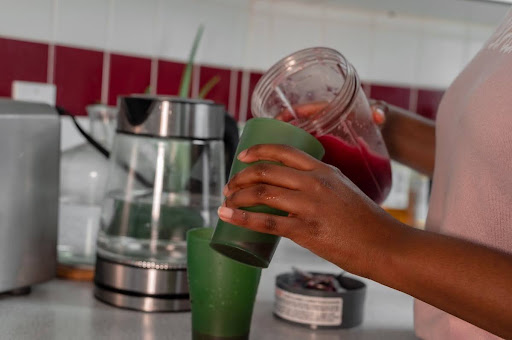
A smoothie can help maintain your nutrient intake when solid foods are still off the table.
The first 24 hours matter most. Your mouth will be numb, tender, and possibly still bleeding slightly. This is not the time to test your limits with food.
Stick exclusively to cool or room-temperature liquids and very soft foods during this window. Heat increases blood flow to the area, which can intensify bleeding and swelling. Cold, on the other hand, help limit swelling.
Safe foods for the first 24 hours include:
- Cold smoothies (avoid using a straw since the suction can dislodge clots)
- Ice cream or frozen yoghurt
- Apple sauce
- Cold or room-temperature broth
- Pudding or custard
- Mashed potatoes (cooled down, not hot)
- Jelly
Avoid carbonated drinks and alcohol, as both can irritate the surgical site and interfere with clot formation. Even a seemingly harmless sip of soda can introduce unwanted pressure and acidity right where you don’t want it.
The Soft Food Diet
From day two onward, usually for at least the first one to two weeks, and longer if you had grafting or multiple implants, you’ll transition into a broader soft food diet.
The goal here is to maximise nutrition while keeping all mechanical stress away from the implant site. You should still be avoiding anything that requires heavy chewing, anything crunchy, and anything served hot.
The good news is that your options expand significantly compared to day one. Here’s what works well:
-
- Protein Sources: Scrambled eggs, soft-cooked fish, Greek yoghurt, cottage cheese, tofu
- Grains & Starches: Oatmeal, soft rice, well-cooked pasta, soft bread soaked in soup
- Fruits & Vegetables: Mashed banana, avocado, steamed and mashed carrots, pureed sweet potato
- Dairy: Yoghurt, soft cheese, milk-based soups
- Soups & Broths: Vegetable broth, butternut squash soup, smooth lentil soup
As the weeks progress and tenderness decreases, you can slowly reintroduce softer meats like ground beef, shredded chicken, and boneless flaky fish. Always chew on the opposite side from your implant, and never push past discomfort. Pain is your body signalling that the site isn’t ready.

Recovery meals can still be varied and satisfying when you know which soft foods to reach for.
Foods to Avoid After Dental Implant Surgery
Crunchy & Hard Foods
Hard foods pose the biggest risk to a healing implant. Biting down on something crunchy generates significant force that travels directly to the implant site and can disrupt the early stages of osseointegration.
Stay away from chips, popcorn, pretzels, raw carrots, apples, crusty bread, nuts, and hard candies until your dentist confirms the implant has fully integrated with the bone.
Sticky & Chewy Foods
Sticky and chewy foods present a different but equally serious risk. Foods like caramel, taffy, gummy candies, and even chewy bread can grip the implant site, pull at healing tissue, and dislodge the protective blood clot that forms over the surgical wound.
Chewing gum is another one to cut out entirely during recovery. It may seem harmless, but repetitive chewing creates sustained mechanical stress on the jaw and implant site.
Hot, Spicy, & Acidic Foods
Temperature and chemical irritants are easy to overlook but can damage healing during early recovery. Hot foods and beverages increase blood flow to the surgical area, which can worsen swelling and bleeding.
Spicy foods inflame soft tissue, while acidic foods like citrus, tomato-based sauces, and vinegar can break down the delicate healing tissue at the wound margin. Stick to lukewarm or cool foods and keep flavours mild until your dentist gives you the green light.

Snacks like crisps and hot beverages are best avoided while your implant site is still healing.
Why Protein Is Critical for Implant Recovery
Of all the nutrients your body needs after dental implant surgery, protein is among the most important. Bone regeneration, soft tissue repair, and immune defence all depend heavily on adequate protein intake.
When you don’t eat enough protein post-surgery, your body has to prioritise where it sends its limited repair resources, and healing a surgical wound may not win that competition.
Prioritise high-protein soft foods like scrambled eggs, Greek yoghurt, cottage cheese, soft fish, tofu, and protein-enriched smoothies throughout your recovery. If your appetite is suppressed in the first day or two, a protein shake blended smooth is an easy, effective way to keep your intake up without stressing the implant site.
How Long Before You Can Eat Normally Again?
The timeline for returning to a normal diet varies widely. Some patients can reintroduce firmer foods within a couple of weeks, while others are advised to stay cautious for two months or more, depending on individual healing rate, bone quality, implant location, and whether bone grafting was performed alongside the procedure.
Your dentist or implant specialist will give you personalised instructions based on your specific case. Once your implants have fully integrated with your jawbone, a process that can take anywhere from three to six months for complete osseointegration, you’ll be able to return to eating virtually everything.
Recover With Confidence at Arnold Dental & Implant Centre
What you eat in the weeks after surgery directly influences how well your implant integrates with the bone and how quickly you return to full function. Following a structured diet from day one gives the surgical site the best possible conditions to heal, setting you up for a lasting restoration.
At Arnold Dental & Implant Centre, we manage every stage of the implant process in-house, from digital planning and guided placement through to personalised aftercare and recovery support. Our team provides detailed post-operative guidance tailored to your case, so you always know exactly what to expect at each phase of healing. Get in touch with us today to book your consultation and take the first step toward a long-term fix for missing teeth.
Frequently Asked Questions (FAQs)
Can I eat eggs after dental implant surgery?
Yes, eggs are one of the best foods to eat during recovery. Scrambled or soft-poached eggs are ideal from day two onward, as they require minimal chewing and provide high-quality protein essential for tissue repair and bone regeneration.
When can I eat solid food after a dental implant?
When you can reintroduce solid food depends on how your surgical site is healing, the complexity of the procedure, and whether additional work like bone grafting was involved. Your dental team will guide you on when to progress based on how your recovery is tracking.
Is yoghurt good after dental implant surgery?
Yoghurt is one of the most convenient recovery foods and is safe to eat. It’s soft, cold, and rich in protein and calcium, both of which directly support healing bone tissue around the implant. The probiotics in yoghurt may also help maintain gut health, particularly if you’ve been prescribed antibiotics following surgery.
Can I drink coffee after dental implant surgery?
Avoid hot coffee for at least the first 24 to 72 hours, as the heat increases blood flow to the surgical area and can intensify bleeding and swelling. After the first few days, most patients can return to drinking coffee provided it is lukewarm, and your implant provider can give you personalised guidance based on your recovery.
What happens if I eat the wrong foods after a dental implant?
Eating the wrong foods can trigger complications that delay recovery or, in serious cases, contribute to implant failure. Hard foods can destabilise the implant before osseointegration is complete, sticky foods can tear healing tissue and dislodge the protective blood clot, and hot or spicy foods can inflame the soft tissue around the surgical site.
How does Arnold Dental & Implant Centre support patients through the healing process?
Arnold Dental & Implant Centre provides detailed, personalised aftercare instructions following every implant procedure, including dietary guidance, pain management, and oral hygiene during recovery. We manage the full treatment journey in-house, so your follow-up appointments, healing reviews, and final restoration are handled by the same clinical team that placed your implant.
*Note: The information in this post is for general guidance only and does not constitute professional medical or dental advice. Individual outcomes vary depending on personal health factors, and any pricing mentioned is indicative only and subject to change. Always consult a qualified dental professional before making any treatment decisions. Contact Arnold Dental & Implant Centre to book a consultation.