Dental Implants for Over 60’s: Cost & Factors to Consider
Key Takeaways
- There is no upper age limit for dental implants, and adults over 60 are routinely treated when a clinical assessment confirms their mouth and general health can support the procedure.
- Dental implant treatment starts from £2,500, while bridges start from £821 and dentures from £605, so comparing options helps match the treatment to your budget.
- A dentist mainly considers diabetes control, osteoporosis medication, gum disease, smoking status, and jawbone quantity and quality before recommending implants for patients over 60.
- Some treatment pathways take around six to twelve months from start to finish, with three to six months usually spent waiting for the implant to bond securely with the jawbone.
- At Arnold Dental & Implant Centre, we plan, place, and restore implants in-house using 3D imaging and digital surgical guides, without referring patients to external providers.
Can You Get Dental Implants After 60?
There is no upper age limit written into implant guidance, and chronological age by itself should not decide whether someone over 60 can have treatment. What matters more is oral health, medical history, jawbone support and whether the person can realistically maintain the implant afterwards.
A common concern for patients over 60 is how recovery and long-term commitment compare to staying with dentures. Only a thorough clinical assessment can answer that question, and getting one sooner gives you the clearest picture of what’s possible.
Arnold Dental & Implant Centre: Nottingham’s Complete Smile Solution
GDC-Registered Team | Implants to General Care | Trusted Local Dental Care
Arnold Dental provides end-to-end dental care for the whole family, from routine check-ups to life-changing implant treatments. Their fully managed implant process, from consultation through to restoration and aftercare, replaces missing teeth with natural-looking, permanent results, handled entirely in-house to save you time and cost.
What you get:
✓Dental implants managed start to finish, including bespoke surgical guides and digital planning
✓Full smile restorations combining implants, bridges, veneers, and whitening
✓Preventive and restorative care, orthodontics, and facial aesthetics under one roof
✓All clinicians registered with the General Dental Council
Your smile deserves expert care from people who know your name.
How Much Do Dental Implants Cost After 60?
Dental implants start from £2,500, but that figure is a starting point, not a fixed price for every patient. The final cost depends on how many teeth need replacing, whether the jawbone needs building up first, and which materials are used for the crown, bridge, or denture attached to the implant.
For comparison, a conventional bridge starts from £821 and dentures start from £605, so it helps to see how implant costs stack up against these alternatives before deciding which route fits your mouth and your budget.
Before agreeing to treatment, ask for a full written total that covers the initial assessment, any imaging, the implant placement itself, the abutment (the connector that joins the implant to the tooth), the final replacement tooth, and the follow-up appointments that come after.
At Arnold Dental & Implant Centre, we manage every stage in-house, including bespoke surgical guides, so there are no separate fees from external providers and we pass those savings on to patients.
Factors That Affect Your Dental Implant Suitability
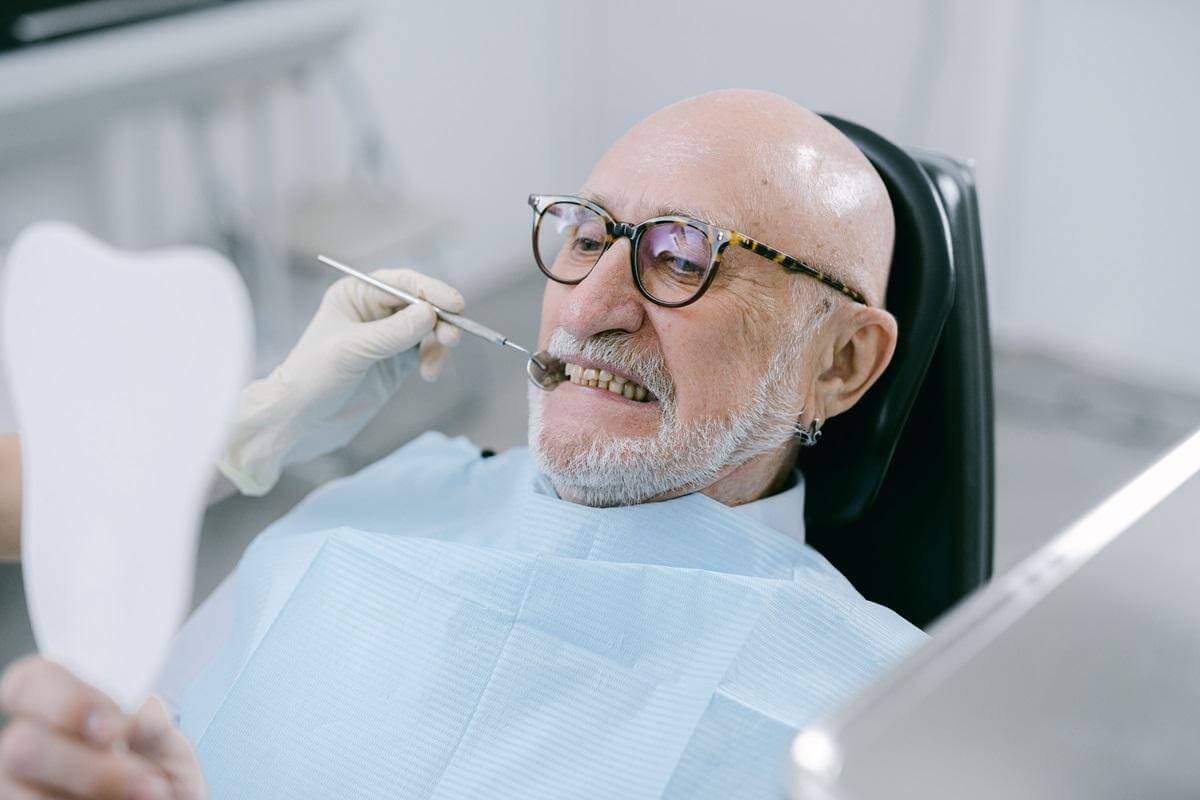
A thorough assessment of your oral health, bone condition, and medical history is the first step toward confirming your suitability.
Jawbone Quantity & Quality
Implants need enough bone in the right position to bond securely, so your dentist will check this early on. Assessment usually starts with conventional X-rays, and where more detail is needed, a CBCT (3D) scan can map out the jawbone alongside nearby nerves and sinuses.
At Arnold Dental & Implant Centre, CBCT imaging and intraoral scanning capture your mouth digitally, so we can plan the implant position in detail before surgery begins.
Limited bone doesn’t automatically rule out treatment. It may mean adding a bone graft to the plan, which increases complexity, recovery time, and risk, so it’s worth discussing openly rather than being surprised later.
Gum Disease & Peri-Implant Inflammation
Healthy gums are as important as healthy bone for implant success. You need to control active gum disease before surgery, and you need to maintain good oral hygiene long after the implant is placed.
Two specific conditions are worth knowing the names of, since your dental team may use them during check-ups:
- Peri-implant mucositis: inflammation of the soft gum tissue around an implant, without bone loss.
- Peri-implantitis: inflammation around an implant that has progressed to include loss of the supporting bone.
Anyone with a history of gum problems should expect their dentist to place extra emphasis on building a realistic, sustainable maintenance plan rather than focusing only on the surgery itself.
Diabetes & Blood Glucose
Diabetes doesn’t necessarily disqualify someone from implant treatment, but blood glucose control plays a real role in healing.
A systematic review found that people with well-controlled diabetes often had outcomes comparable to those without diabetes, although the certainty of that evidence was low. Poorer glucose control was associated with less favourable outcomes around implants.
Osteoporosis & Bone-Strengthening Medicines
Having osteoporosis doesn’t automatically mean implants are off the table. The bigger consideration is whether you’re taking medicines that affect bone turnover, such as bisphosphonates or denosumab, because these carry a risk of medication-related osteonecrosis of the jaw, a condition in which the jawbone struggles to heal properly.
Giving your dentist a complete medication history, including anything you’ve taken in the past, matters here. Never stop or change these medicines for dental treatment without first speaking to the doctor who prescribed them.
Smoking
Smoking raises the risk of an implant failing to bond properly with the jawbone, and it can also increase the chance of a bone graft failing if one is needed.
Because of this, your smoking status becomes part of the suitability conversation, alongside a discussion of practical ways to lower the risk before moving ahead with surgery.
Recovery & Healing After Dental Implant Surgery
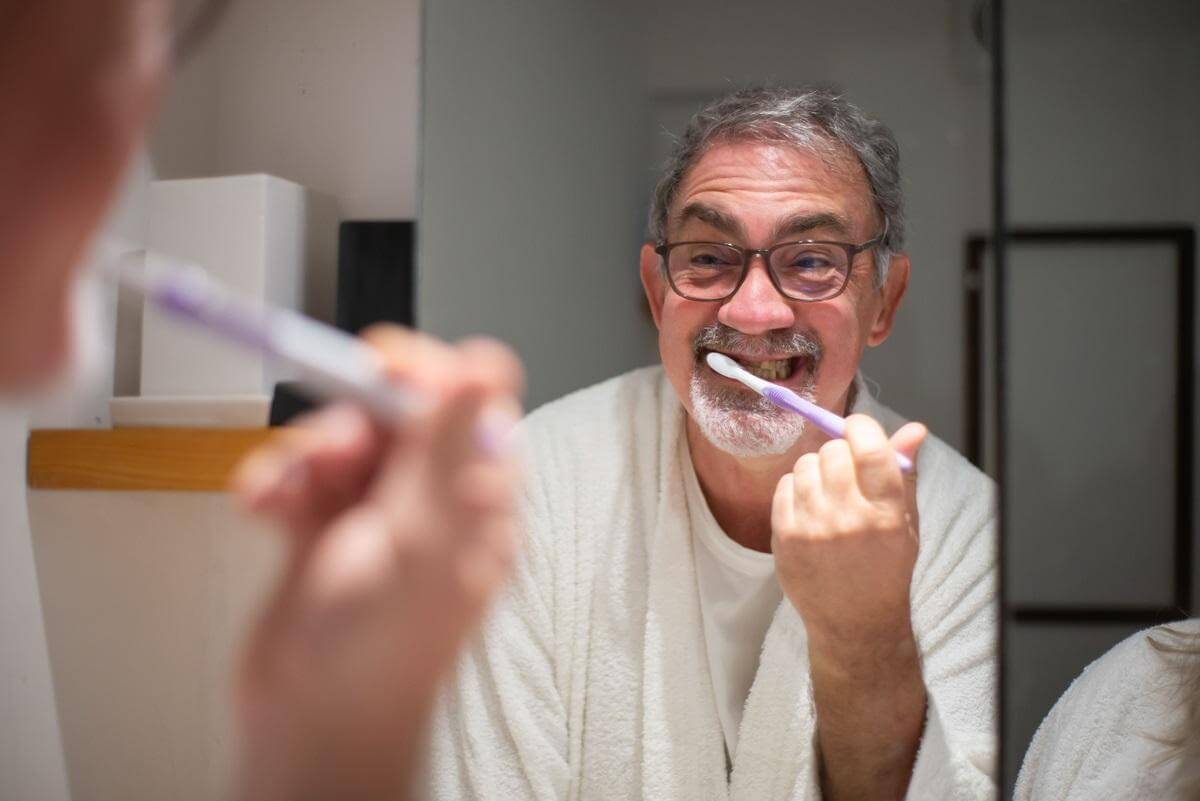
Good oral hygiene after implant placement plays a direct role in how well the implant heals and how long it lasts.
Implant surgery is commonly carried out under local anaesthetic, so the area is numb throughout, and sedation is available for patients who feel anxious.
Using a 3D-printed surgical guide, the implant is placed into the prepared jawbone in the planned position, and the gum is stitched closed afterwards. The gum tissue itself tends to heal within roughly one to two weeks, but the real work happens underneath, where the implant gradually bonds with the bone.
That bonding process typically takes three to six months before the implant is ready to support a replacement tooth, though the exact timeline depends on individual circumstances. Once your dentist confirms healing and stability are satisfactory, they can fit the crown, bridge, or denture.
Altogether, some treatment pathways take around six to twelve months from start to finish, particularly when several stages are involved, though this is an indicative timeframe rather than a fixed schedule.
In some cases, it may be possible to place an implant immediately after extraction, and a temporary tooth or denture can be used in the meantime so you are not left with a gap. For patients replacing a full arch, same-day teeth may be an option where a clinical assessment confirms suitability.
Restore Your Smile With Arnold Dental & Implant Centre
Arnold Dental & Implant Centre is a dental practice in Arnold, Nottingham, with a fully GDC-registered clinical team.
Being over 60 does not rule you out for dental implants, and for many older patients, they can offer a more stable, long-lasting alternative to dentures. A thorough assessment is the clearest way to find out what’s possible for your specific situation.
At Arnold Dental & Implant Centre in Nottingham, we plan, place, and restore every implant in-house through a fully digital journey. CBCT imaging, intraoral scanning, and photogrammetry capture precise data, which we use for pre-operative planning and guided surgery with 3D-printed surgical guides. The same system applies whether you need a single tooth or a full arch, and only a handful of providers offer this complete process from start to finish. Book a consultation today to find out if implants are right for you.
Frequently Asked Questions (FAQs)
What age should you not get a dental implant?
There is no upper age limit for implants, although they are usually placed only after the jaw has finished growing. Oral health, bone density, and overall medical condition are far more relevant than age when determining eligibility. Many patients in their 60s, 70s, and beyond receive implants successfully, provided their jawbone can support the post and their health allows for proper healing.
What is the best tooth replacement for seniors?
There isn’t one universal best option. Implants, bridges, and dentures each suit different situations, depending on jawbone condition, remaining teeth, and personal preference. Implant treatment can also be tailored, from replacing a single tooth to supporting a bridge or securing a full arch of teeth.
What happens if I don’t have enough jawbone for implants?
Limited bone doesn’t automatically rule out implant treatment. A bone graft can increase available bone volume, though this adds another procedure, extra healing time and some additional risk. Your dentist will assess how much bone you have and whether grafting is a suitable option for your situation.
Are dental implants safe if I have diabetes?
Diabetes doesn’t automatically prevent implant treatment. People with well-controlled diabetes often see outcomes comparable to those without diabetes, while poorly controlled blood glucose is linked to less favourable healing around the implant.
Why choose Arnold Dental & Implant Centre for dental implants?
Arnold Dental & Implant Centre handles every stage of your implant treatment under one roof, from 3D scanning and digital planning through to guided placement and final restoration, with no referrals to external providers. Keeping the full process in-house also helps keep treatment costs down. Our GDC-registered team manages your care throughout, and we offer flexible financing to help spread the cost.
*Note: The information in this post is for general guidance only and does not constitute professional medical or dental advice. Individual outcomes vary depending on personal health factors, and any pricing mentioned is indicative only and subject to change. Always consult a qualified dental professional before making any treatment decisions. Contact Arnold Dental & Implant Centre to book a consultation.