
Dental Implants for Back Teeth: Cost & Procedure
Key Takeaways
- Back teeth sit near sinuses and nerves, so implants in this area often need bone grafting, sinus lifts, or careful nerve mapping that front-tooth cases do not.
- Treatment starts from around £2,500, but the final cost depends on whether extraction, grafting, sedation, and imaging are included or quoted separately.
- The procedure spans several months: extraction healing, implant placement, two to six months of osseointegration, then crown or bridge fitting.
- Candidates need adequate jawbone volume, healthy gums, and controlled medical conditions, since smoking and unmanaged diabetes raise the risk of healing problems and implant failure.
- At Arnold Dental & Implant Centre, we handle every stage in-house, from CBCT imaging and surgical guide planning through to placement and final restoration.
What Determines the Cost of a Back-Tooth Implant?
The cost of a back-tooth implant depends on how much preparatory work your mouth needs, not just the figure advertised on a price list. Back teeth sit in a trickier part of the mouth than front teeth. Upper molars often need extra bone from sinus grafting, while lower molars require careful nerve mapping, and both factors can push the final bill above a straightforward case.
Extractions, sedation, and bone grafting are often quoted as separate line items. As a guide, extractions start from around £137 and dental sedation from around £299, though whether these apply depends on your treatment plan and what your implant quotation already includes.
Two people needing implants in the same area can end up with very different totals, so a written, personalised estimate based on your mouth and treatment plan is the clearest way to understand your actual cost.
Arnold Dental & Implant Centre: Nottingham’s Complete Smile Solution
GDC-Registered Team | Implants to General Care | Trusted Local Dental Care
Arnold Dental provides end-to-end dental care for the whole family, from routine check-ups to life-changing implant treatments. Their fully managed implant process, from consultation through to restoration and aftercare, replaces missing teeth with natural-looking, permanent results, handled entirely in-house to save you time and cost.
What you get:
✓Dental implants managed start to finish, including bespoke surgical guides and digital planning
✓Full smile restorations combining implants, bridges, veneers, and whitening
✓Preventive and restorative care, orthodontics, and facial aesthetics under one roof
✓All clinicians registered with the General Dental Council
Your smile deserves expert care from people who know your name.
How Much Does Dental Implant Cost for Back Teeth?
Implant treatment starts from around £2,500, but this starting fee is not a guaranteed total for every patient. The final amount shifts with treatment complexity, the materials chosen, and whether additional procedures such as extraction or grafting are needed alongside the implant itself.
Whether extraction, sedation, or additional imaging apply depends entirely on your proposed treatment plan and what the implant quotation itself already includes.
A separately advertised general crown fee should never be assumed to represent the cost of an implant crown, nor should it be automatically added to the implant starting price. The two are typically priced and planned differently.
The Dental Implant Procedure for Back Teeth
Placing an implant at the back of the mouth is rarely a single appointment. The process moves through planning, possible extraction, implant surgery, a healing period, and finally the fitting of the visible tooth.
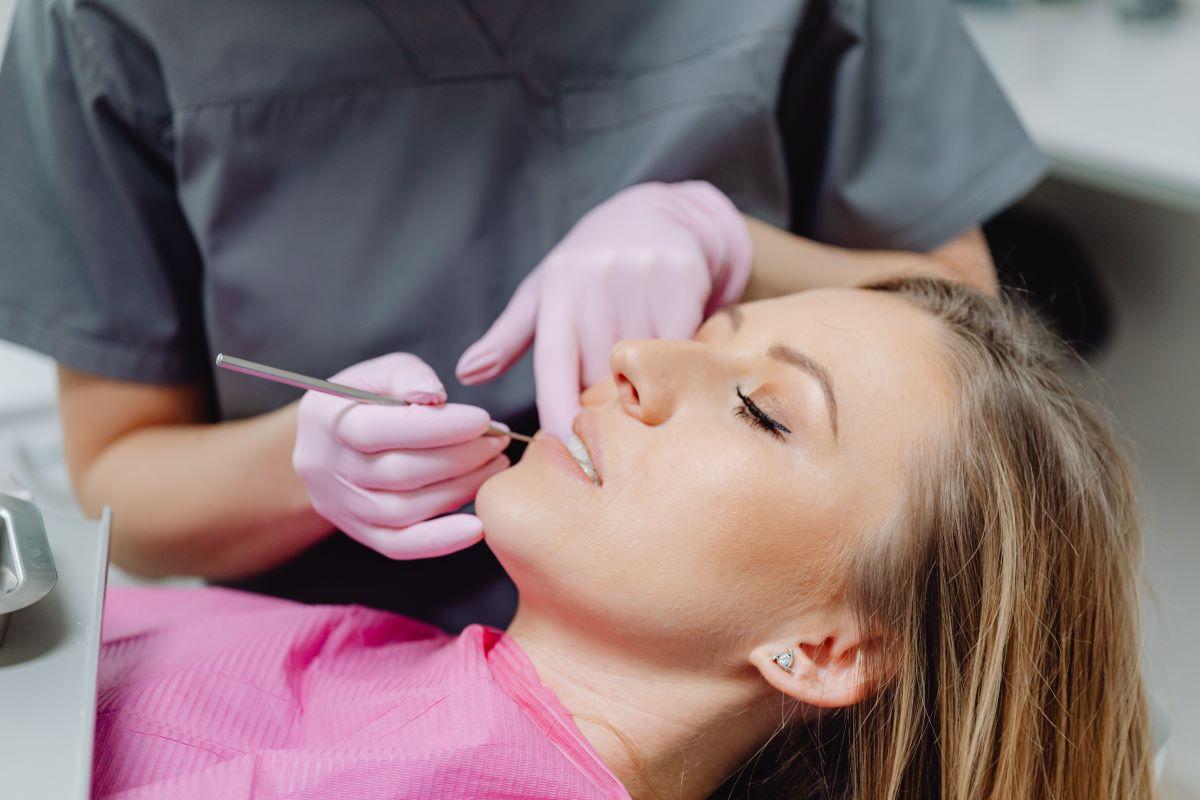
The exact treatment sequence depends on the condition of your jawbone and surrounding structures.
Examination, X-Rays, & CT Scanning
Treatment begins with a detailed mouth examination, a review of medical and dental history, and X-rays. Impressions or scans may also be taken to help plan the eventual replacement tooth.
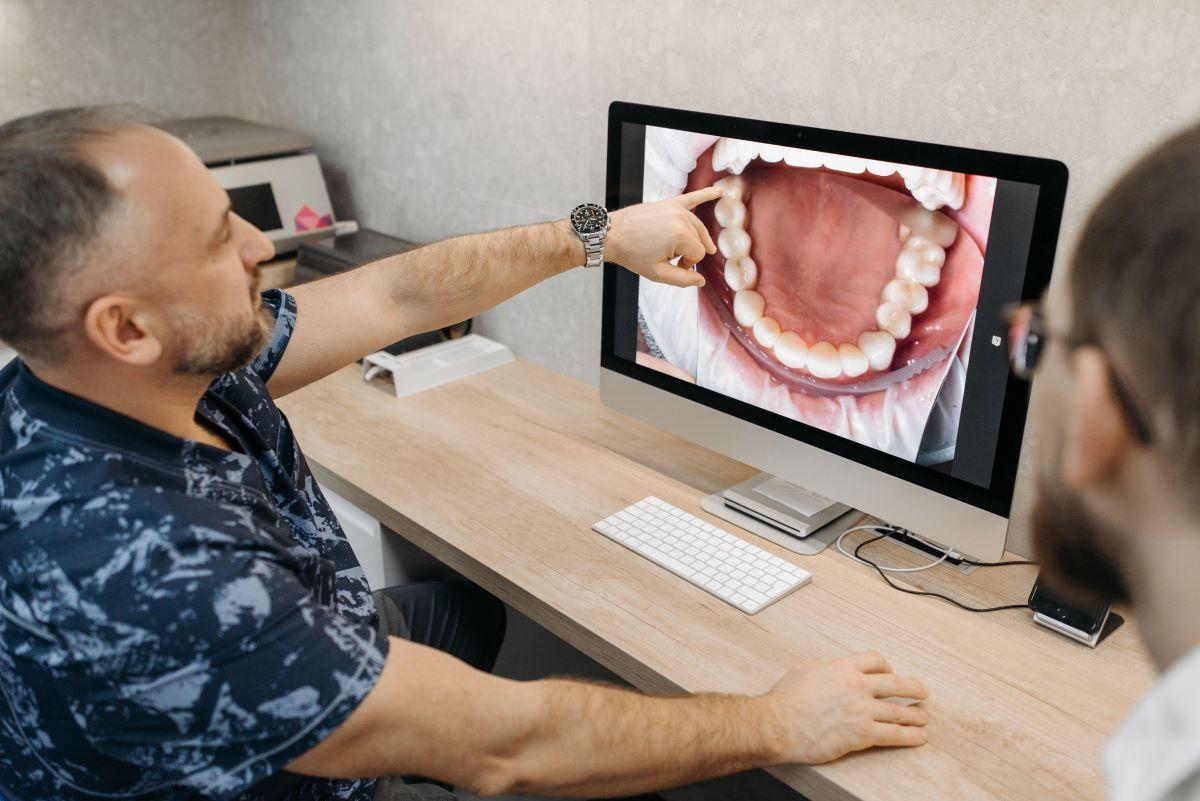
For back teeth specifically, a cone-beam CT scan is often requested. This gives the clinician a three-dimensional view of available bone volume and shows the position of nerves, neighbouring tooth roots, and the sinuses, all of which matter more at the back of the mouth than at the front.
At Arnold Dental & Implant Centre, this stage is fully digital. Intraoral scans record your teeth and bite, and CBCT imaging maps your bone, nerves, and sinuses, so we plan your implant position in detail before surgery begins.
Tooth Extraction Before Implant Placement
If a damaged tooth is still present, it usually needs to be removed before the implant can go in. Many treatment plans allow the gum to heal for roughly six to ten weeks after extraction before moving forward.
In selected circumstances, the implant can be placed into the socket at the same appointment as the extraction. This depends on the condition of the bone and the clinician’s assessment of the individual case.
Bone Grafting & Sinus Grafting
A small bone defect may be treated at the same appointment as implant placement itself. A larger deficiency, on the other hand, may require grafting several months before implant surgery.
Upper back-tooth sites add another consideration: the maxillary sinuses sit directly above this part of the jaw, and some patients simply do not have enough bone height beneath them. In these cases, sinus grafting, sometimes called a sinus lift, may be used to build up the available bone, which adds complexity and time to the overall treatment.
The Implant Placement Surgery
Implant surgery for back teeth is usually carried out under local anaesthetic, so you stay awake and should not feel pain in the treatment area. Sedation may be offered for patients who feel anxious about the procedure, though this is typically an add-on option rather than a default part of treatment.
At Arnold Dental & Implant Centre, we place your implant using a bespoke 3D-printed surgical guide, made from your digital plan and included in your treatment. The guide helps the clinician place the implant at the planned angle and depth.
Once the implant is in place, the clinician decides how to manage healing. Sometimes a healing cap is left visible above the gum line. In other cases, the implant is covered completely and exposed later through a smaller follow-up procedure, depending on the surgical plan.
Osseointegration
The implant needs time to fuse with the surrounding jawbone, a process called osseointegration. This usually takes around two to six months, though some cases take longer depending on bone quality and individual healing response.
Rushing this stage risks the implant failing to bond properly, so clinicians wait for integration before moving on to the restoration phase.
Fitting the Final Crown or Bridge
Once integration is confirmed, clinicians take impressions or scans to design the crown or bridge that will sit on top of the implant. A temporary restoration is sometimes used first, allowing the clinician to assess shape and manage surrounding gum tissue before fitting the final piece.
For back teeth specifically, the restoration might involve individual implant crowns or an implant-supported bridge, depending on how many teeth are missing. Where several implants support a bridge, photogrammetry can be used to record the implant positions precisely, helping the restoration fit accurately.
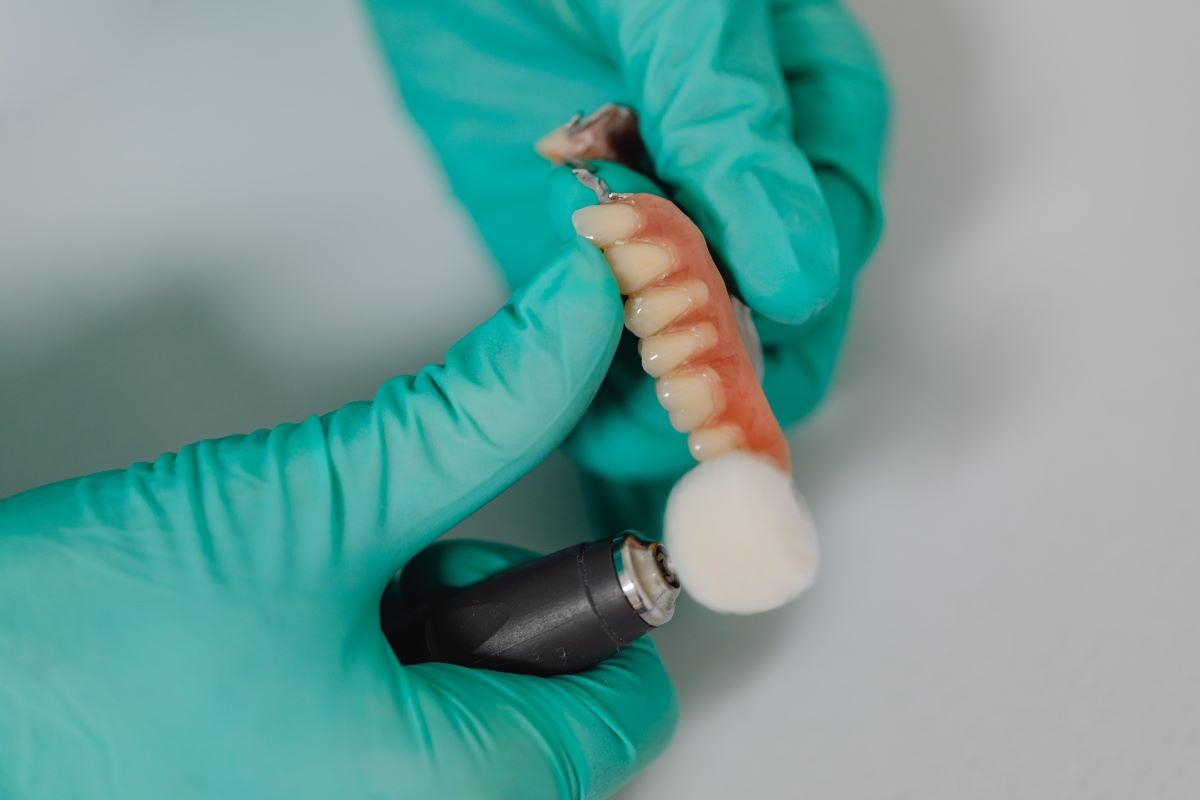
The final restoration is crafted to match the shape and shade of your surrounding teeth before being fitted to the implant.
How Long Does Back-Tooth Implant Treatment Take?
Back-tooth implant treatment generally spans several months rather than a single visit. Extraction sites are commonly left to heal for about six to ten weeks before the implant is placed, while implant integration typically takes two to six months. If grafting is needed beforehand, that alone can add several months to the timeline before the implant is even placed.
Add in the time needed for crown or bridge production, and more complex cases involving extraction, grafting, and multiple restoration appointments can stretch to a year or longer. This is why an accurate cost estimate also needs to reflect an accurate timeline.
Who Is a Good Candidate for a Back-Tooth Implant?
Suitability depends on oral health, general health, available bone at the implant site, and your ability to maintain the restoration long term. Implants are generally considered once jaw growth has finished, and the assessment looks closely at the condition of remaining teeth and gums, including whether decay, infection, or gum disease needs treating first.
Bone height and volume also matter, along with smoking status, diabetes control, any history of radiotherapy to the jaws, and medicines that affect bone health.
Back teeth bring specific considerations into this assessment. Upper molars need enough bone beneath the sinuses, lower molars require careful nerve mapping, and a history of grinding or clenching should be factored in early since it can overload an implant once it is in function.
Poorly controlled diabetes and smoking are both linked to a higher risk of healing problems, which is one reason individual assessment matters more than a generic checklist.
Get Back-Tooth Implants Planned & Placed In-House at Arnold Dental & Implant Centre
Arnold Dental & Implant Centre plans, places, and restores implants in-house at its Nottingham practice.
Back teeth carry the highest chewing load in your mouth, so replacing them with implants demands accurate planning and precise placement. A thorough assessment is the clearest way to find out what the procedure involves for your specific situation.
We plan, place, and restore back teeth implants in-house at Arnold Dental & Implant Centre, from CBCT imaging and bespoke surgical guides through to final restoration. We are one of only a handful of providers offering this fully in-house digital workflow, and we use the same system whether you need a single back tooth replaced or a full arch. Because we manage the full process at one practice, your care stays consistent from assessment through to aftercare. Get in touch with our Nottingham team to arrange an assessment and a personalised cost estimate.
Frequently Asked Questions (FAQs)
Can a back tooth implant be done in one day?
Placement itself can sometimes happen in a single appointment, and in selected cases a temporary restoration can be fitted on the same day so you leave with a functioning tooth. However, osseointegration typically takes two to six months before the final permanent crown or bridge can be fitted. For patients replacing a full arch, same-day teeth may be possible, depending on bone quality and individual assessment.
Is a bone graft always needed for back teeth implants?
No, grafting is not automatic. A small bone defect might be treated at the same time as implant placement, while a larger deficiency may need grafting months in advance. Upper back teeth sometimes require sinus grafting if there is insufficient bone beneath the sinus.
How painful is dental implant surgery?
Local anaesthetic numbs the area during surgery, so the procedure itself should not be painful. Afterwards, discomfort, swelling, and bruising are common, often most noticeable in the first 24 to 48 hours. Severe or persistent pain should be reported to your clinician rather than assumed to be normal healing.
Is it worth getting implants for back teeth?
It depends on your chewing function, remaining teeth, oral health, and how much treatment you are prepared to undergo. Implants can improve chewing ability, speech, appearance and comfort, and they avoid cutting down neighbouring teeth to support a bridge. Alternatives like bridges or dentures, or simply monitoring the space, may suit some patients better.
What makes Arnold Dental & Implant Centre the right choice for back teeth implants?
Arnold Dental & Implant Centre uses CBCT imaging and digitally planned surgical guides to help plan the precise angles and depth that posterior implants require. Our GDC-registered team handles every stage in-house at our Nottingham practice, from assessment and placement through to final restoration and aftercare, and we offer flexible financing to help manage the cost.
*Note: The information in this post is for general guidance only and does not constitute professional medical or dental advice. Individual outcomes vary depending on personal health factors, and any pricing mentioned is indicative only and subject to change. Always consult a qualified dental professional before making any treatment decisions. Contact Arnold Dental & Implant Centre to book a consultation.